Performance Research
Your Creatine Is Working. Your Electrolytes Aren't. That Is Why Your Training Has Hit a Ceiling.
A peer-reviewed finding about how creatine enters muscle cells changes what every serious athlete should be doing on training day. Most are missing it.
By Ascend Performance Nutrition Research
March 2026
8 min read
Most serious athletes who take creatine are following the research correctly. Five grams per day. Consistent timing. Clean monohydrate. The clinical dose. The protocol the evidence supports.
Most of them are not getting the result the research predicts. The formula is right. The variable they are missing is not on any supplement label.
Not because creatine doesn't work. Over 500 peer-reviewed studies confirm it does. The mechanism is well-established: phosphocreatine donates its phosphate group to regenerate ATP during high-intensity effort, extending the window of maximum power output before the body drops into slower energy systems.
The problem is not creatine. The problem is the transport system that determines how much creatine actually enters the muscle cell, and it depends on something almost no training protocol addresses.
There are two kinds of athletes who engage with performance research: those who optimize variables in isolation and wonder why the ceiling doesn't move, and those who understand that biological systems are connected. The second group sees compounding results. This is the mechanism behind the difference.
The Transport Problem Nobody Talks About
Creatine cannot diffuse freely into muscle cells. It requires a dedicated transporter protein called CreaT1. This transporter is electrogenic — it uses the electrochemical gradient of the cell membrane to drive the transport event.
The mechanism is specific: two sodium ions and one chloride ion must bind to the transporter simultaneously with each creatine molecule. The transaction cannot occur without them. Reduce available sodium in the extracellular space, and CreaT1 slows. Fewer creatine molecules enter the cell per unit of time. The phosphocreatine pool does not reach its theoretical maximum.
The Transport Equation
For every creatine molecule that crosses the muscle cell membrane:
2 Na+ (sodium ions) + 1 Cl- (chloride ion) + 1 Creatine = 1 CreaT1 transport event
Reduce sodium and chloride availability, and this equation slows. Creatine accumulation inside the cell falls. The phosphocreatine reserve you are trying to build does not fully load.
Athletes who train hard and sweat regularly are in electrolyte deficit more often than they know. Daily sodium losses through sweat reach 3,500 to 7,000 milligrams under hard training conditions. Most sports drinks provide 100 to 200 milligrams per serving, one-quarter of what the research recommends for sessions over ninety minutes.
The sodium and chloride needed to drive CreaT1 is not coming from a sports drink. It is not coming from a standard diet. It is, for most serious athletes, chronically below the level required to optimize creatine uptake.
This is not widely published in mainstream sports nutrition content. The CreaT1 transport research is in peer-reviewed journals, not supplement marketing. If your electrolyte environment has been working against your creatine protocol this whole time, that is not a failure of effort. It is a gap in information that most athletes are never given.
"Electrolytes further improve creatine uptake and the ergogenic effect."
PMC5930494, Journal of the International Society of Sports Nutrition, 2018
What the Controlled Research Found
A 2018 randomized, double-blind, crossover study published in the Journal of the International Society of Sports Nutrition tested four conditions in trained male athletes: creatine alone, electrolytes alone, combined creatine-electrolyte, and placebo. The combined protocol produced results that neither condition achieved independently.
Peak power improvement was 4 percent higher with combined supplementation versus creatine alone. Mean power across repeated sprint tests was 5 percent higher. Vertical jump height improved 8.4 percent with the combined protocol compared to 3.1 percent with creatine alone. The mechanism was the same one the transport research predicted: electrolytes made creatine more bioavailable at the cellular level.
These are not marginal numbers at the elite level. A 4 to 5 percent increase in peak and mean power, sustained across a training block, compounds into measurable competitive difference. The athletes in this study were not doing something exotic. They were taking creatine and electrolytes together, at clinical doses, consistently.
The Sodium-Potassium Problem Goes Deeper Than Hydration
Most athletes understand electrolytes in the context of cramping and hydration. That understanding is incomplete. Electrolytes govern the electrical environment that makes muscular force production possible at all.
The sodium-potassium pump (Na+/K+-ATPase) maintains the resting membrane potential in every muscle fiber, approximately negative 70 millivolts. This electrical gradient is what allows muscle fibers to receive neural drive and generate action potentials. During repeated high-intensity sets, intracellular potassium can fall by 30 percent or more, raising extracellular potassium from 4 millimolar to 8 to 12 millimolar. This shift depolarizes the resting membrane potential. The muscle fiber becomes progressively less responsive to the signal to contract. The athlete hits a wall that feels like fatigue but is actually an electrical problem.
Replacing potassium, alongside sodium, restores that gradient. The cells can fire again. Force output recovers. The creatine system can do its job.
Magnesium: The ATP Variable Most Protocols Ignore
ATP does not exist in cells as a free molecule. It circulates as Mg-ATP, magnesium-bound ATP, the biologically active form that most ATP-dependent enzymes require. Magnesium binds to ATP to stabilize its structure and enable the phosphate transfer reactions that power cellular work.
Athletes who train consistently at high intensity show measurably lower intramuscular magnesium levels than sedentary populations. This deficit rarely shows up on standard blood panels but matters functionally: it reduces the efficiency of the energy systems that creatine is supporting. If magnesium is insufficient, the ATP that creatine is helping to regenerate cannot be utilized at its theoretical ceiling.
Keep training without addressing this and you will keep leaving a meaningful percentage of your creatine investment unrealized, every session, every training block. Not because the supplement is wrong. Because the cellular environment it depends on is incomplete. That is the most expensive kind of performance gap, the invisible one.
The full research report includes:
01
The complete electrolyte physiology breakdown, including sodium-potassium pump mechanics, plasma volume dynamics, and how sweat rate translates to performance ceiling
02
The 500-study creatine evidence summary, including dosing protocols, PCr saturation timelines, and what the research says about loading vs. maintenance
03
The specific electrolyte ratios used in the 2018 peer-reviewed study that produced 8.4% jump improvement vs. creatine alone
04
Six myths about creatine and electrolytes that are costing serious athletes results, including the dehydration myth and the loading phase myth
05
The full daily and training-day protocol, with exact doses, timing, and session-length adjustments built from the peer-reviewed dosing literature
The Protocol the Research Supports
The study design that produced the best documented outcomes used the following daily protocol: 4 grams of creatine monohydrate with a balanced electrolyte formula providing sodium, chloride, potassium, calcium, and magnesium. Six weeks of consistent supplementation. Measured outcomes were superior to creatine alone across every power test administered.
The clinical maintenance dose for creatine in the peer-reviewed literature is 3 to 5 grams per day. At 5 grams, PCr saturation is fully achieved over 28 days of consistent intake without a loading phase. The loading phase (20 grams for 5 to 7 days) reaches the same endpoint faster but not higher. Consistency of daily intake is the critical variable, not the protocol variant.
For electrolytes, the research supports 1,000 milligrams of sodium on training days for athletes in moderate-to-high training volumes, with potassium (200 to 400 milligrams) and a bioavailable magnesium form (magnesium malate or glycinate, 66 to 200 milligrams) to complete the ionic environment the CreaT1 transporter requires.
The question is not whether to address both systems. The research is clear on that. The question is whether to manage them as two separate protocols or as one.
Consistent daily intake is the only variable that matters. Not the loading protocol. Not the timing window. Consistency. The discipline to support both systems every day is what separates the athletes who see the compounding result from the ones who keep wondering why the ceiling doesn't move.
New from Ascend Performance Nutrition
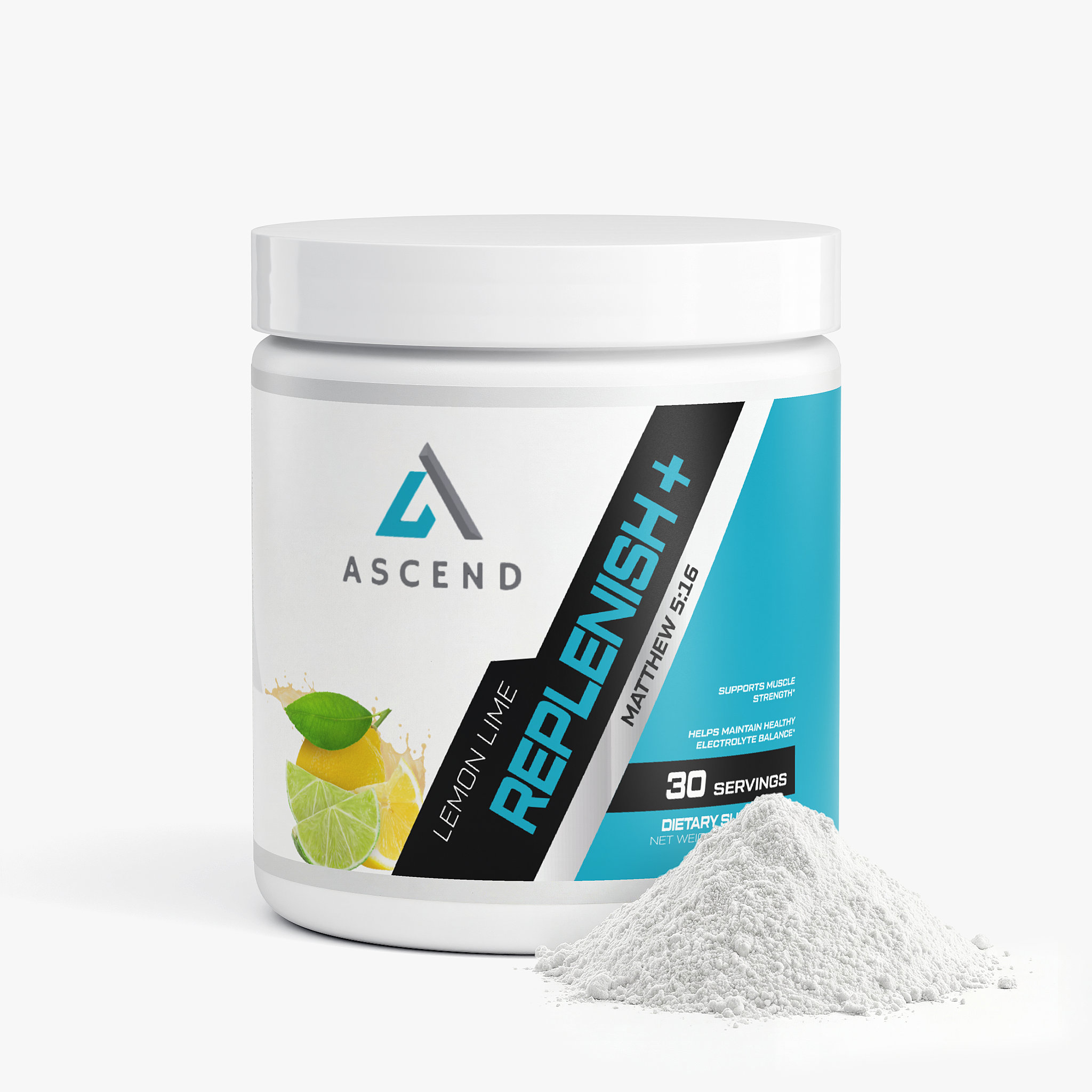
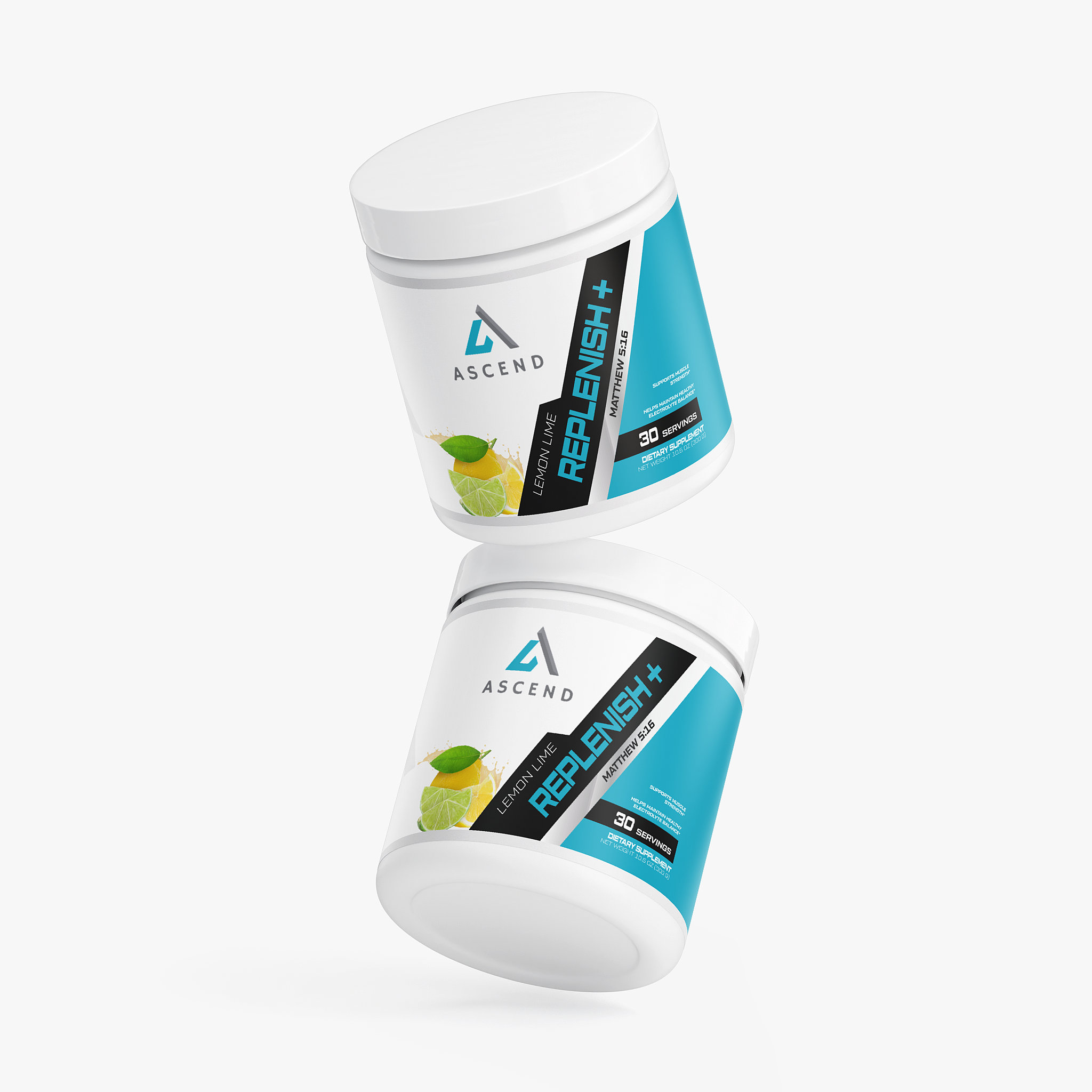
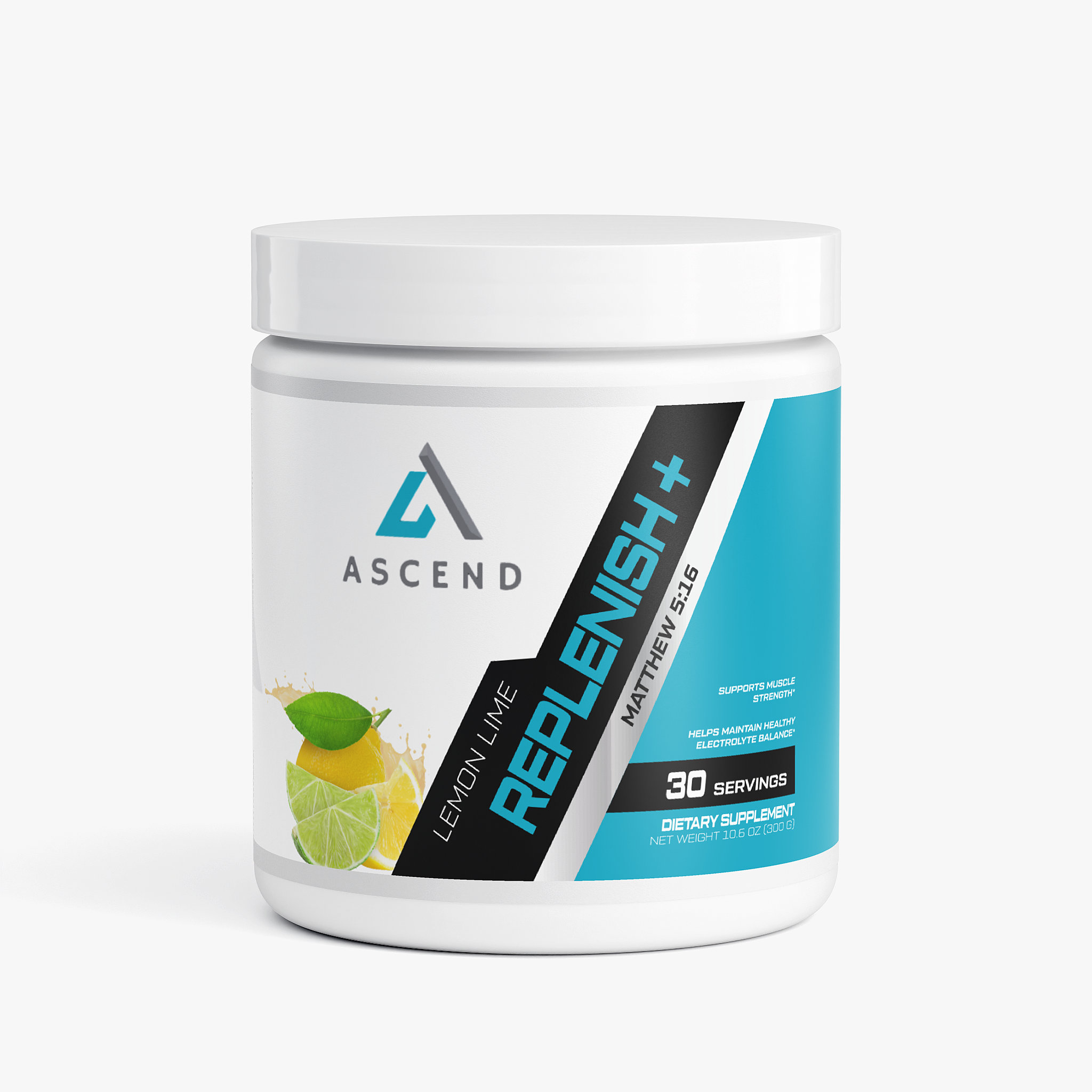
Replenish Plus: The Complete Protocol in One Scoop
Every ingredient maps to the mechanism. The CreaT1 transporter needs sodium and chloride. The sodium-potassium pump needs sodium and potassium. ATP synthesis requires magnesium. The phosphocreatine system needs 5 grams of clinical-dose creatine monohydrate, daily and consistently.
No proprietary blends. No fillers. No guessing. The dose is on the label. The mechanism is in the research. You now have both.
- Creatine Monohydrate5,000mg
- Sodium (Sea Salt)1,000mg
- Potassium Chloride200mg
- Magnesium Malate (bioavailable form)66mg
- SweetenerStevia only
One scoop in 12 to 16 ounces of cold water, before or during training. $44.99 for 30 servings.
If you are training consistently and taking creatine without addressing the electrolyte transport system, Replenish Plus is the direct tool to close that gap.
The science is not complicated. The application is not complicated. Two systems are connected. The research says to treat them as one. The protocol exists. The results are documented. What happens next is up to you.
You were built to perform at a standard most people will never reach. Fueling that performance with precision is not optional. It is how you honor the work you have already committed to.
Discipline is not about doing more. It is about making sure what you do actually counts.
Faith over fear.
Sutton Huggins
Founder and CEO, Ascend Performance Nutrition